Five movements, two days a week, zero intimidation: the simplest honest entry into strength work.
What a warm-up is actually for, what to skip, and a universal sequence for any sport.

The honest comparison: joints, calories, habit risk and who should walk first.
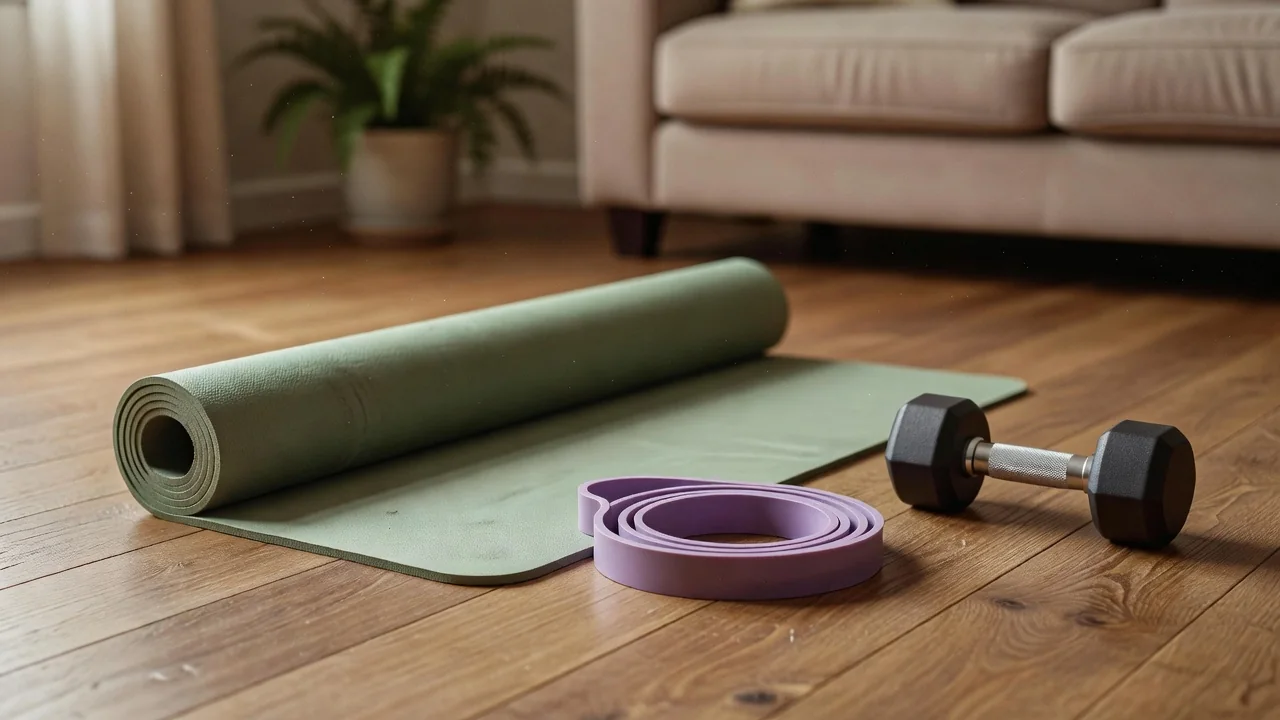
A mat, a band, a pair of dumbbells — and what you can honestly achieve with just that, week after week.
 Articles
Discover the 10 highest RTP slots at Aphrodite Casino — Big Bass to Book of Dead. Compare payout rates, volatility and b

Racing heart, blank mind, heavy legs. What pre-competition nerves are and the protocols that defuse them.
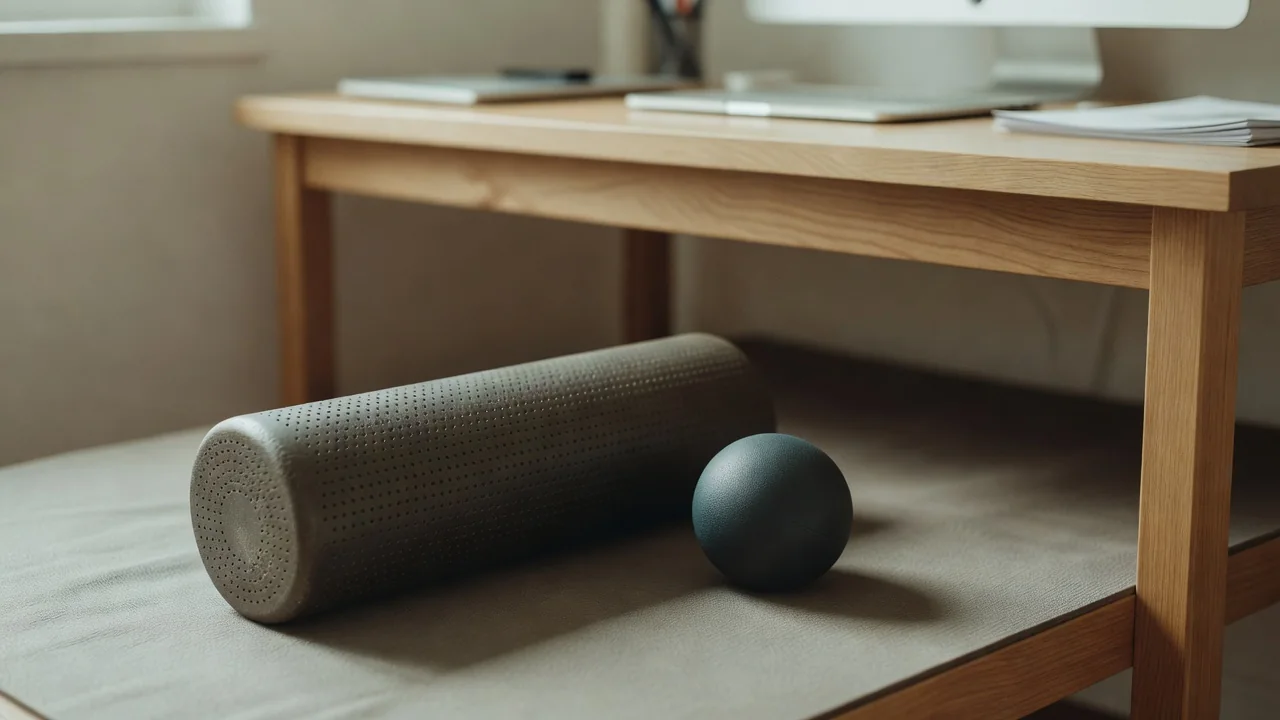
Hips, thoracic spine, shoulders: the 15-minute daily routine that keeps office bodies trainable.
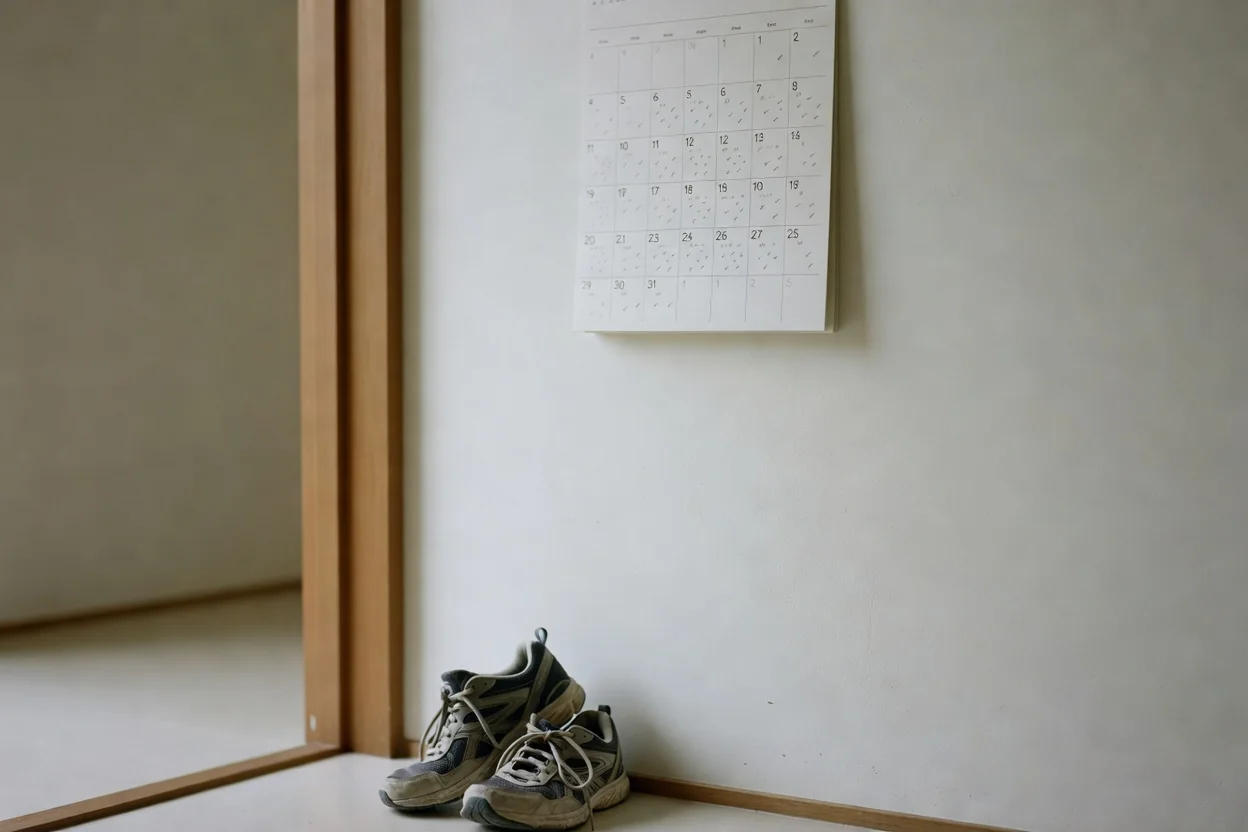
Motivation is weather; systems are climate. Cue-routine-reward applied to everyday training.

Walk-jog intervals, the 10% rule, pain monitoring: how to come back without re-injuring the same spot.
Five movements, two days a week, zero intimidation: the simplest honest entry into strength work.

Every athlete hits the wall where numbers stop moving. The three causes and the fixes for each.
What a warm-up is actually for, what to skip, and a universal sequence for any sport.

How much protein an active person really needs, where to get it without supplements, and the timing myth.
The honest comparison: joints, calories, habit risk and who should walk first.

Before, during, after: how much water training actually requires — and when electrolytes matter.
A mat, a band, a pair of dumbbells — and what you can honestly achieve with just that, week after week.

Muscles adapt while you sleep, not while you lift. How much, when, and what breaks recovery.
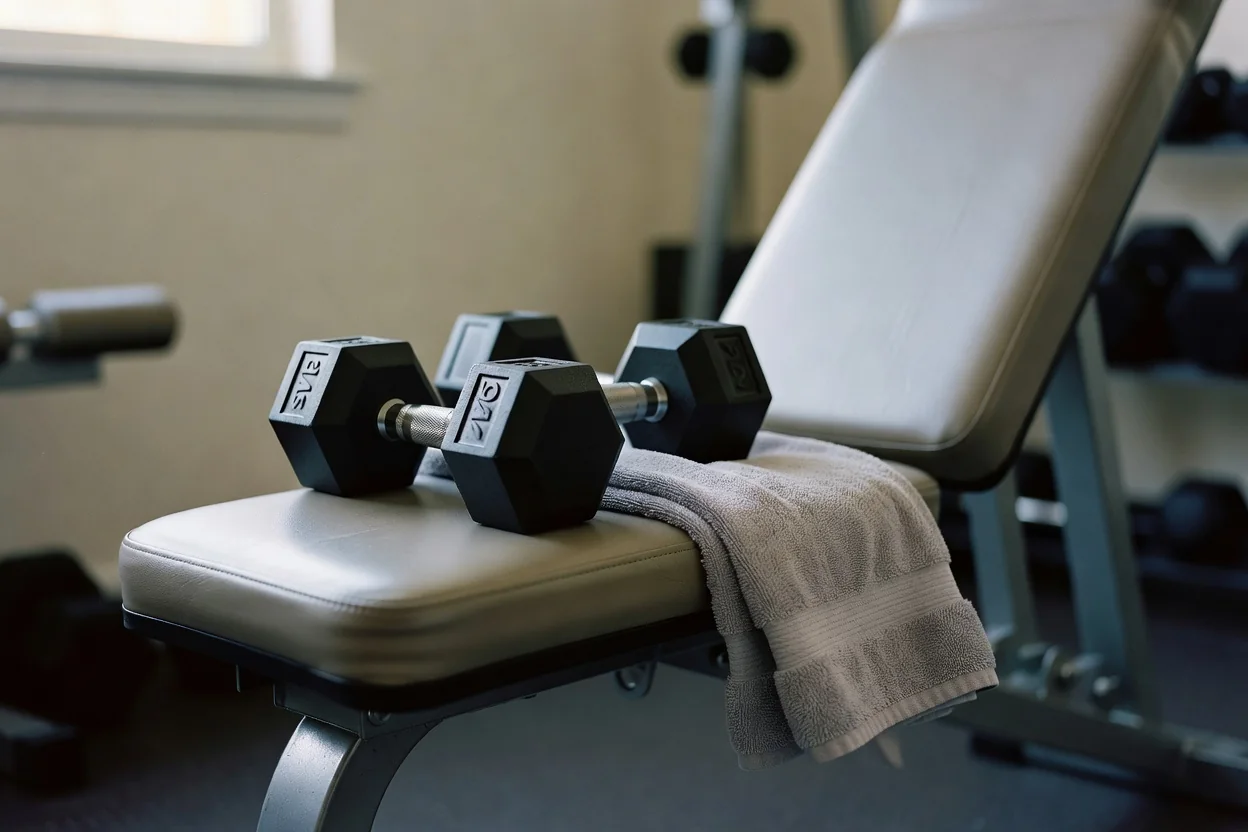
Modern life rarely leaves space for long gym sessions. How to structure 20–30 minute workouts that still move the needle.

Elite sport is built on pressure and public judgment. What post-defeat stress actually looks like — and what helps.
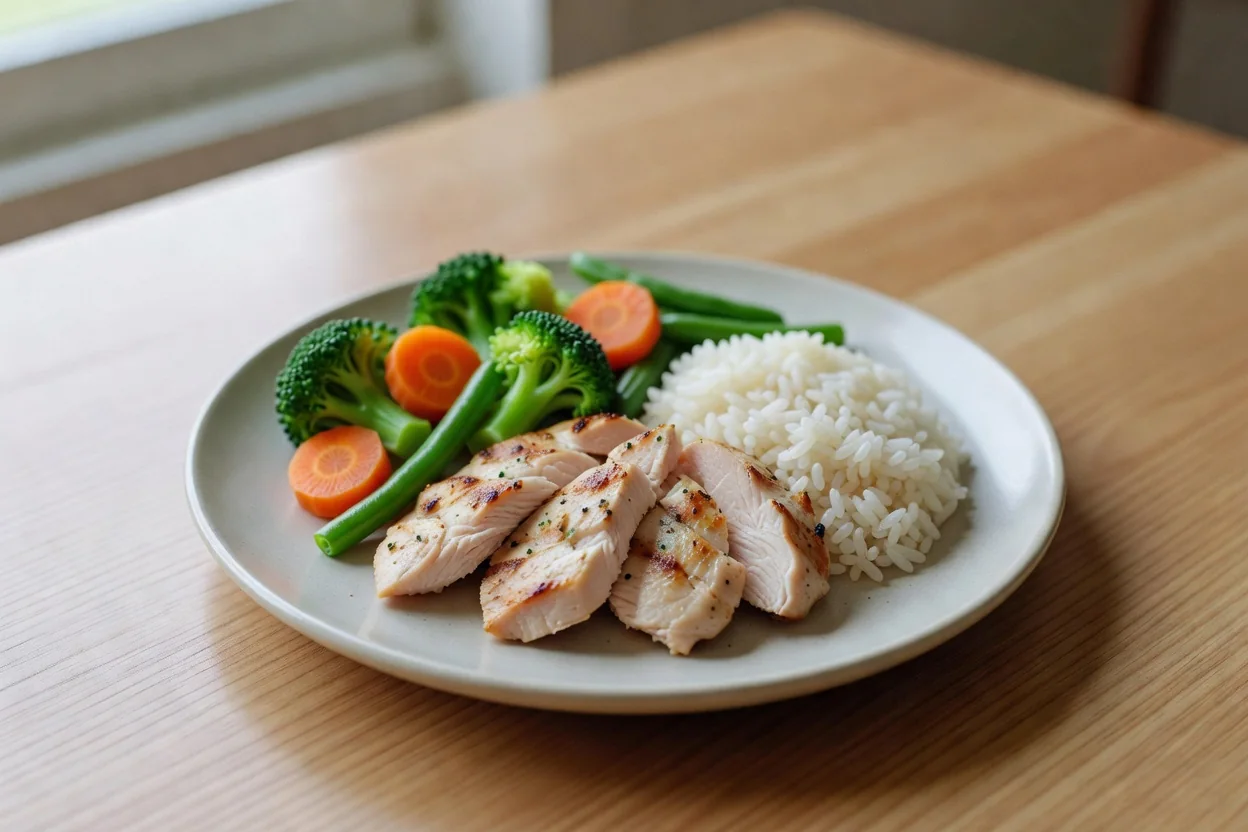
You don’t need a diet plan, you need a pattern. The beginner framework for eating around training.
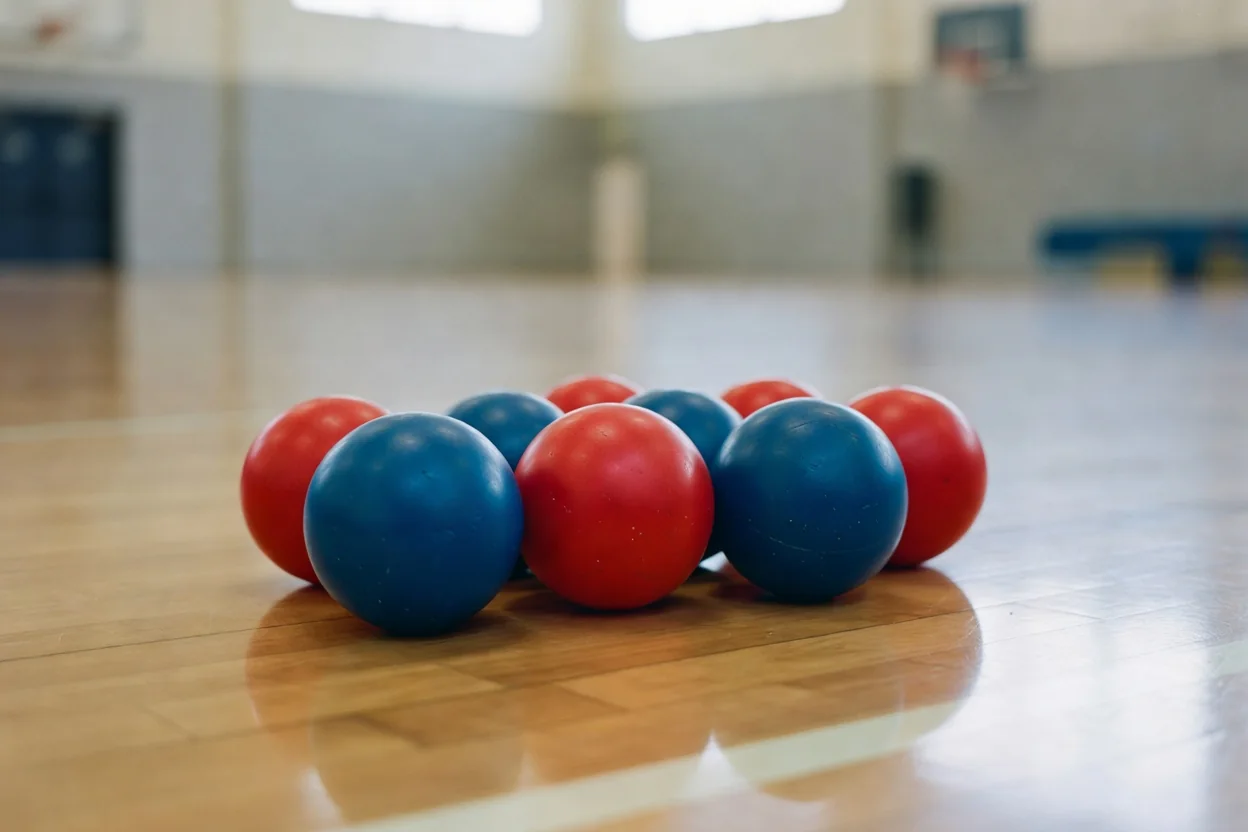
Severe injuries change life far beyond pain. How boccia — a precision ball sport — became a serious recovery tool.
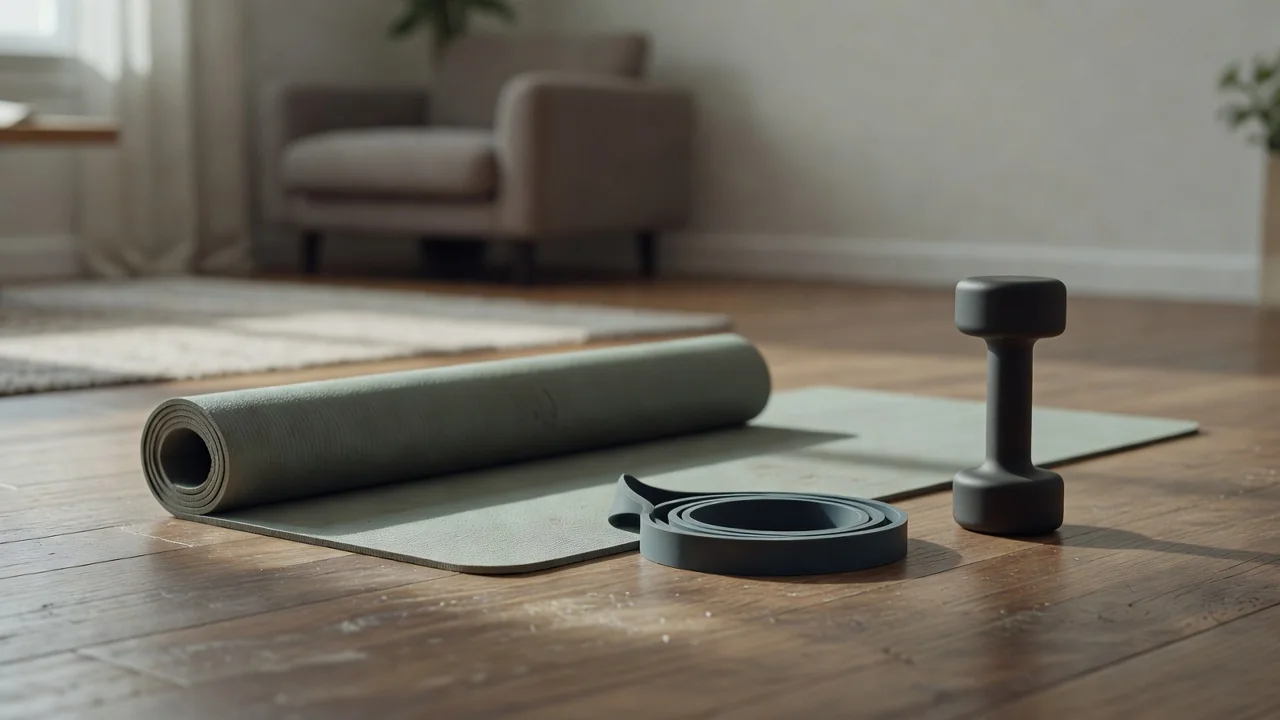
Training changes more than your body. What regular activity does to stress, sleep, mood and focus.
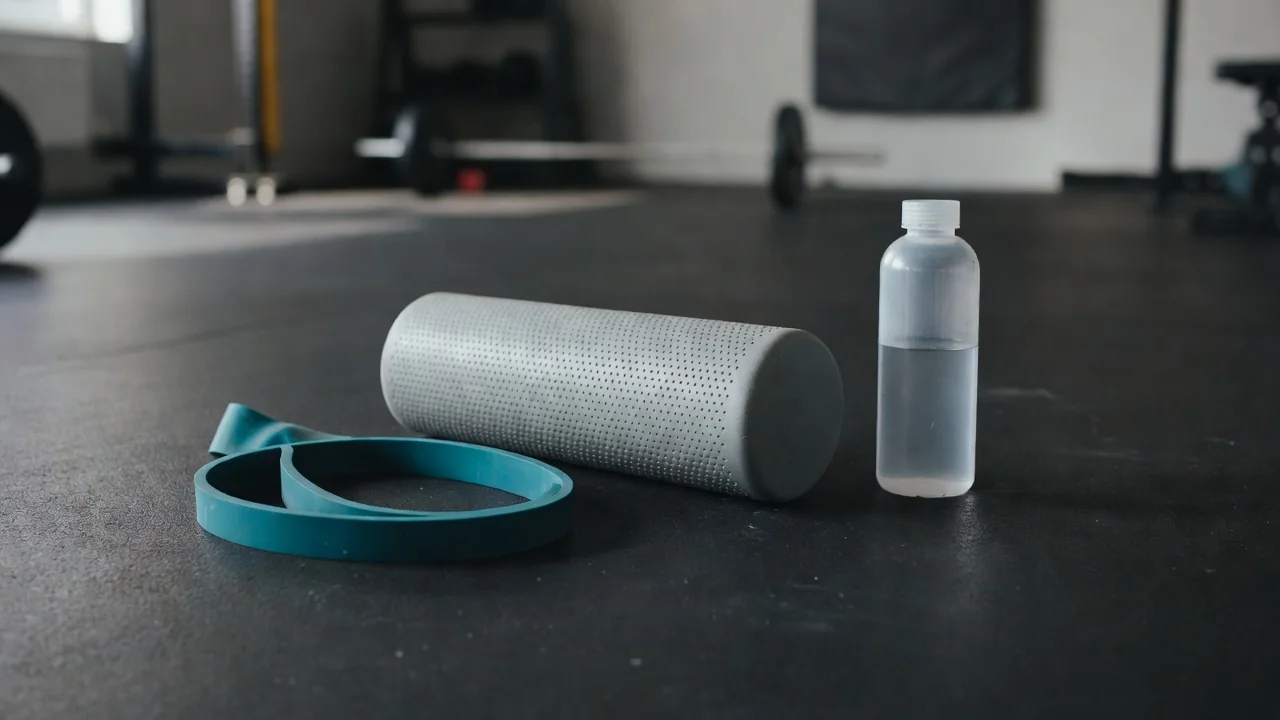
Most beginner injuries come from the same handful of mistakes. The prevention checklist before your first month.
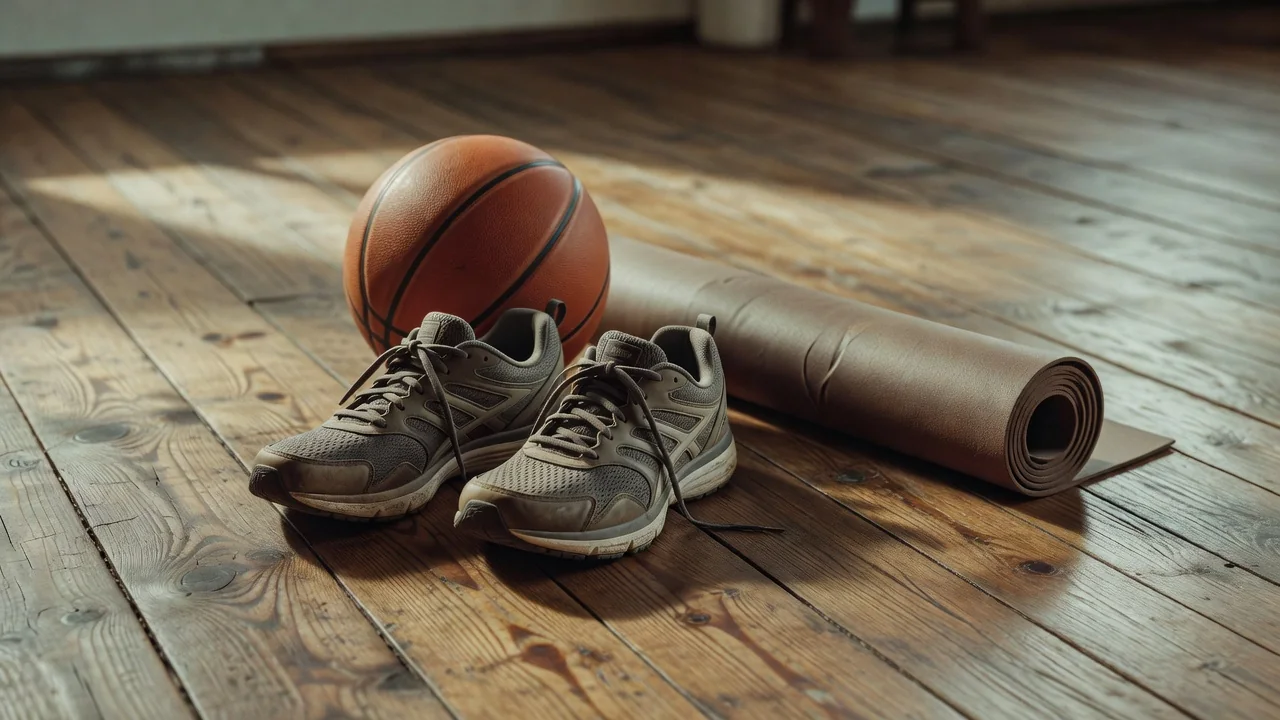
Strength, endurance, mobility or weight control — different goals ask for different sports. A practical chooser’s guide.

Long-term commitment is the hardest part of personal development through sport. Systems that outlast motivation.