
Rehabilitation Through Sport: Boccia as a Recovery Method After Severe Injuries
Severe injuries change a person’s life in ways that go far beyond pain or temporary limitations. After a major trauma, the body often needs months of careful rehabilitation, and the mind needs even longer to rebuild confidence, motivation, and a sense of control. Traditional recovery programs usually focus on physical therapy, mobility training, and gradual strength rebuilding.
What Is Boccia and Why It Works in Rehabilitation
Boccia is an adaptive sport designed for athletes with significant physical impairments. It is often compared to pétanque or bowling, but its structure is unique: players aim to throw or roll colored balls as close as possible to a target ball, known as the jack. The sport can be played individually, in pairs, or in teams, and it can be adapted for different levels of mobility. Some players throw with their hands, others use their feet, and for those with extremely limited movement, a ramp can be used with the help of an assistant.
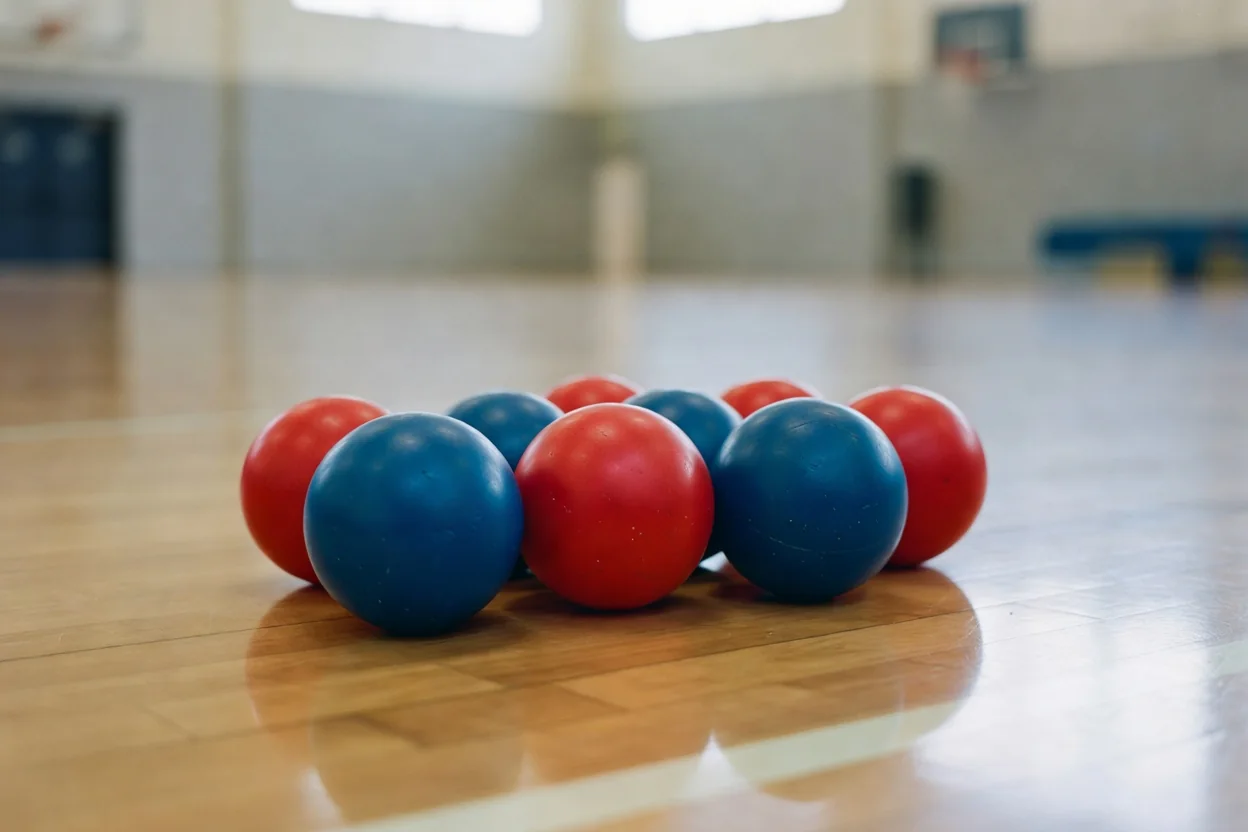
From a rehabilitation perspective, boccia trains several key functions at the same time. The first is fine motor control. Many severe injuries affect the nervous system, causing tremors, weakness, reduced grip strength, or poor coordination. Boccia encourages repeated, purposeful movement with a clear goal, which supports neuroplasticity — the brain’s ability to reorganize and create new pathways after trauma. The second is postural stability. Even sitting in a wheelchair and preparing for a throw requires trunk engagement, balance, and controlled breathing. Over time, this improves core strength and endurance.
Boccia in Recovery Programs: Benefits, Goals, and Key Metrics
In clinical and adaptive sports settings, boccia is often integrated into recovery programs for people with spinal cord injuries, severe orthopedic trauma, brain injuries, and long-term mobility impairment. It can be used as part of physical therapy, occupational therapy, or community-based rehabilitation. Because boccia can be played indoors, it is also accessible year-round, making it easier to maintain a stable routine.
Below is a practical overview of how boccia supports rehabilitation goals and what professionals often track during progress.
| Rehabilitation Goal | How Boccia Supports It | What Can Be Measured |
|---|---|---|
| Motor control recovery | Repetitive, targeted movements improve precision | Accuracy rate, ball placement consistency |
| Core stability and posture | Sitting balance and trunk engagement during play | Sitting endurance, posture quality |
| Upper limb strength and endurance | Throwing and controlling movement builds stamina | Fatigue level, throw stability over time |
| Coordination and timing | Controlled release improves neuromuscular control | Smoothness of motion, reduced tremor impact |
| Cognitive recovery | Strategy and spatial planning strengthen focus | Decision-making speed, tactical choices |
| Emotional resilience | Competitive environment builds confidence | Motivation, stress tolerance, mood stability |
| Social reintegration | Team play supports communication and belonging | Participation frequency, group engagement |
How Boccia Improves Physical and Mental Recovery After Major Trauma
Mentally, boccia is strongly connected to psychological recovery. It improves attention, patience, and emotional control. A player must accept imperfect throws, adapt to mistakes, and stay focused on the next move. That mindset mirrors real rehabilitation: progress happens through small improvements, not instant results.
Here are the key rehabilitation-focused benefits that make boccia especially valuable after severe injuries, explained in a simple, practical way:
- Improved movement precision without high physical risk.
- Better posture and trunk control through seated stability.
- Gradual endurance development with measurable progress.
- Reduced fear of movement due to controlled conditions.
- Increased motivation through sport-based goals.
- Stronger mental resilience through strategy and competition.
- Social connection and reduced isolation through team play.
After this kind of improvement, many people notice that rehabilitation becomes less exhausting emotionally. The body still needs time, but the mind begins to associate training with progress rather than struggle. That is exactly why boccia is increasingly viewed as a serious recovery method, not just a recreational activity.
How to Start Boccia as a Rehabilitation Method Safely
Starting boccia after a severe injury should always be done with medical awareness. Even though the sport is low-impact, recovery bodies can be sensitive. Pain flare-ups, muscle spasticity, fatigue, or joint instability can appear unexpectedly. The safest approach is to treat boccia as structured rehabilitation training rather than casual play, especially in the early stages.
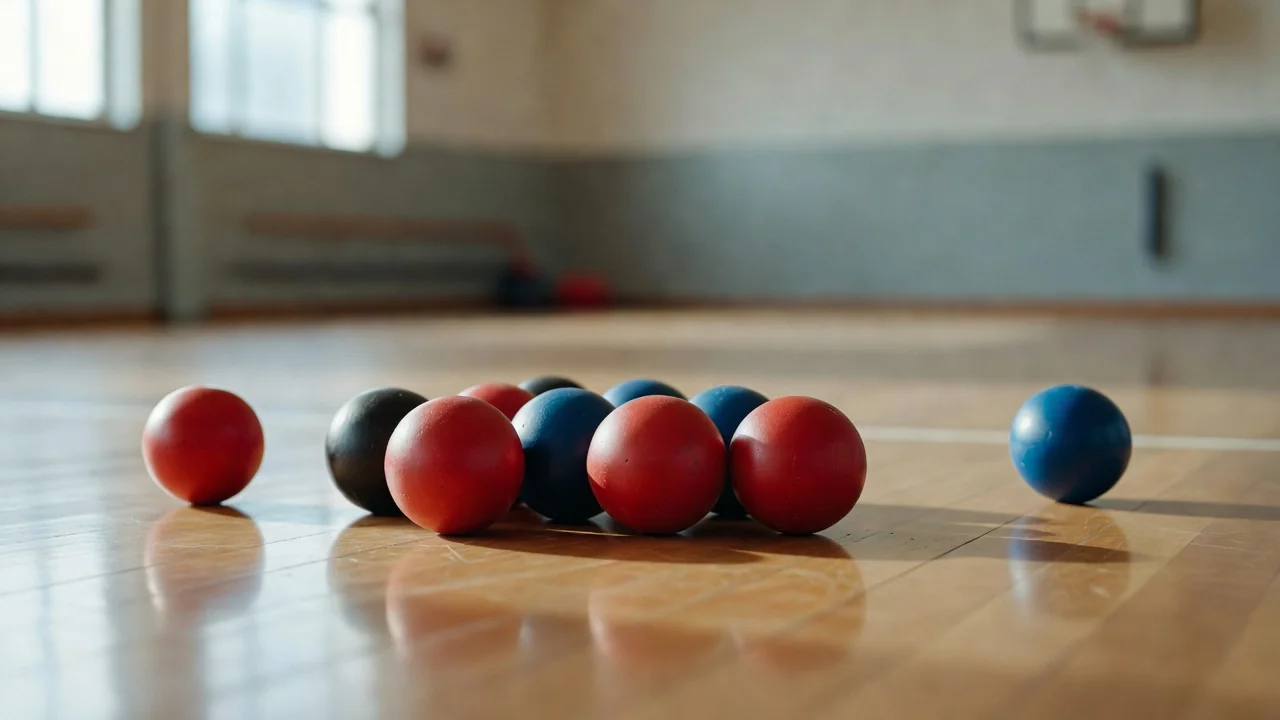
The first step is getting professional approval. A physiotherapist or rehabilitation doctor can help confirm that the person is ready for controlled throwing movements and sustained sitting posture. The next step is adapting equipment. Boccia balls are designed to be handled easily, but grip strength varies. Some players use gloves, support straps, or alternative throwing techniques. If hand function is limited, a ramp system can allow the athlete to play effectively without strain.
A safe training plan usually starts with short sessions and low volume. For example, a person may begin with only a few throws, focusing on posture and breathing. Over time, they increase repetition and tactical complexity. A key safety rule is fatigue management. Severe injuries often reduce recovery capacity, so pushing too hard can cause setbacks. Boccia works best when training is consistent, not intense.
Long-Term Results: Why Boccia Supports Sustainable Recovery
Rehabilitation after severe injuries is not only about reaching a medical “finish line.” For many people, recovery becomes a long-term lifestyle. The question is not just “Can I heal?” but also “How can I live well and stay active with my new reality?” Boccia provides a strong answer because it is sustainable.
In the long run, boccia becomes more than therapy. It becomes a lifestyle-based rehabilitation strategy — one that keeps the body active, the mind engaged, and the recovery process connected to real life rather than clinical routines.