
Rehabilitation Through Sport: Boccia as a Recovery Method After Severe Injuries
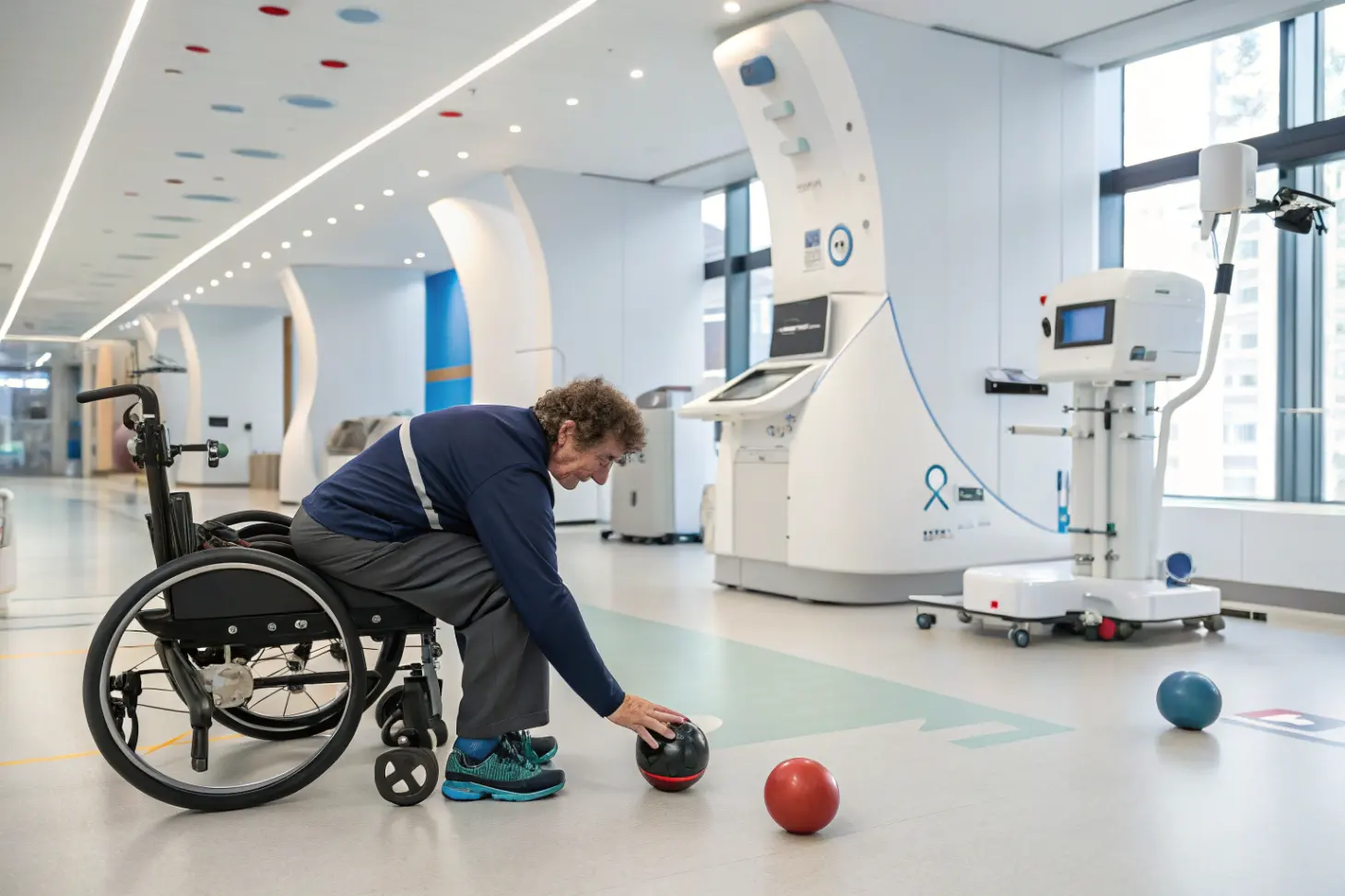
Severe injuries change a person’s life in ways that go far beyond pain or temporary limitations. After a major trauma, the body often needs months of careful rehabilitation, and the mind needs even longer to rebuild confidence, motivation, and a sense of control. Traditional recovery programs usually focus on physical therapy, mobility training, and gradual strength rebuilding. But for many people, especially those dealing with neurological damage, spinal injuries, or complex musculoskeletal trauma, rehabilitation is not only about restoring movement — it is also about learning new ways to function, adapting to a different body, and finding a meaningful routine again.
That is where adaptive sports become more than just an activity. They become a tool. Boccia, in particular, is one of the most effective and accessible sports used in rehabilitation after severe injuries. It is a precision-based game that develops coordination, concentration, controlled movement, breathing stability, and mental resilience. Most importantly, boccia allows people with limited mobility to compete and improve, even when other sports are impossible. This makes it a powerful method for long-term recovery, especially when progress feels slow and motivation is hard to maintain.
What Is Boccia and Why It Works in Rehabilitation
Boccia is an adaptive sport designed for athletes with significant physical impairments. It is often compared to pétanque or bowling, but its structure is unique: players aim to throw or roll colored balls as close as possible to a target ball, known as the jack. The sport can be played individually, in pairs, or in teams, and it can be adapted for different levels of mobility. Some players throw with their hands, others use their feet, and for those with extremely limited movement, a ramp can be used with the help of an assistant.
This flexibility is one of the reasons boccia is widely recognized in rehabilitation settings. After a severe injury, the body may not be ready for dynamic sports that involve running, jumping, or high-impact movement. Boccia offers a safe, controlled environment where the focus is on precision rather than speed. It helps the body relearn controlled motor patterns, even if the movements are small.
From a rehabilitation perspective, boccia trains several key functions at the same time. The first is fine motor control. Many severe injuries affect the nervous system, causing tremors, weakness, reduced grip strength, or poor coordination. Boccia encourages repeated, purposeful movement with a clear goal, which supports neuroplasticity — the brain’s ability to reorganize and create new pathways after trauma. The second is postural stability. Even sitting in a wheelchair and preparing for a throw requires trunk engagement, balance, and controlled breathing. Over time, this improves core strength and endurance.
Boccia is also an excellent tool for cognitive rehabilitation. A player must plan each shot, assess angles, predict ball movement, and adjust strategy. That kind of decision-making and spatial thinking is valuable for patients recovering from traumatic brain injury, stroke-related damage, or neurological trauma. At the same time, the sport creates a natural emotional reward system: progress is visible, performance can be measured, and every training session feels like a real activity rather than a clinical routine.
Boccia in Recovery Programs: Benefits, Goals, and Key Metrics
Rehabilitation after severe injuries is rarely linear. Some weeks bring strong improvement, while others feel stagnant. Boccia helps because it provides measurable, repeatable training sessions. Unlike many rehabilitation exercises that feel abstract, boccia has clear objectives: place the ball closer, control the speed, improve accuracy, reduce fatigue, and build consistency. These goals align closely with modern rehabilitation principles: repetition, progression, and functional outcomes.
In clinical and adaptive sports settings, boccia is often integrated into recovery programs for people with spinal cord injuries, severe orthopedic trauma, brain injuries, and long-term mobility impairment. It can be used as part of physical therapy, occupational therapy, or community-based rehabilitation. Because boccia can be played indoors, it is also accessible year-round, making it easier to maintain a stable routine.
Below is a practical overview of how boccia supports rehabilitation goals and what professionals often track during progress.
Before using the table, it’s important to understand that rehabilitation outcomes vary depending on the type of injury, pain level, and neurological involvement. Boccia does not replace medical rehabilitation, but it complements it by adding motivation, structured training, and functional movement practice.
| Rehabilitation Goal | How Boccia Supports It | What Can Be Measured |
|---|---|---|
| Motor control recovery | Repetitive, targeted movements improve precision | Accuracy rate, ball placement consistency |
| Core stability and posture | Sitting balance and trunk engagement during play | Sitting endurance, posture quality |
| Upper limb strength and endurance | Throwing and controlling movement builds stamina | Fatigue level, throw stability over time |
| Coordination and timing | Controlled release improves neuromuscular control | Smoothness of motion, reduced tremor impact |
| Cognitive recovery | Strategy and spatial planning strengthen focus | Decision-making speed, tactical choices |
| Emotional resilience | Competitive environment builds confidence | Motivation, stress tolerance, mood stability |
| Social reintegration | Team play supports communication and belonging | Participation frequency, group engagement |
After reviewing these rehabilitation targets, the biggest advantage becomes clear: boccia is both therapeutic and meaningful. Patients do not feel like they are “just doing exercises.” They are training for real performance. That sense of purpose matters because long-term rehabilitation often requires months or years of consistent effort, and psychological fatigue can become a major barrier. Boccia reduces that barrier by turning rehabilitation into a sport with visible progress and real-world value.
How Boccia Improves Physical and Mental Recovery After Major Trauma
Severe injuries often create a double challenge. The body must regain function, and the mind must rebuild trust in movement. Many patients experience fear of pain, fear of failure, or fear of triggering another injury. Even when medical recovery is stable, mental hesitation can slow down progress. Boccia works as a bridge between therapy and real-life confidence because it trains controlled movement in a low-risk environment.
Physically, boccia supports rehabilitation by improving muscle control and reducing wasted movement. After trauma, the nervous system can become inefficient. A person may overcompensate with the wrong muscles, develop poor posture, or rely on unsafe movement patterns. Boccia encourages precision and minimal effort. A good throw is not about power — it is about control. This makes the sport ideal for patients who need to learn safe movement patterns and avoid overloading damaged structures.
Another major physical benefit is endurance training. Severe injuries often reduce overall stamina, especially when a person has been immobilized for long periods. Boccia sessions can be adjusted in duration, intensity, and complexity. Some patients start with short, low-energy sessions and gradually increase the number of throws, the distance, or the tactical demands. This builds fatigue resistance without putting the body under high-impact stress.
Mentally, boccia is strongly connected to psychological recovery. It improves attention, patience, and emotional control. A player must accept imperfect throws, adapt to mistakes, and stay focused on the next move. That mindset mirrors real rehabilitation: progress happens through small improvements, not instant results.
Boccia also strengthens motivation because it provides a clear identity shift. Instead of feeling like a “patient,” a person becomes an “athlete in training.” That shift is not just symbolic — it changes how people engage with their recovery. They show up more consistently, take pride in their progress, and become more open to challenges. In rehabilitation psychology, this is critical because identity reconstruction after injury is one of the hardest stages of long-term recovery.
Here are the key rehabilitation-focused benefits that make boccia especially valuable after severe injuries, explained in a simple, practical way:
- Improved movement precision without high physical risk.
- Better posture and trunk control through seated stability.
- Gradual endurance development with measurable progress.
- Reduced fear of movement due to controlled conditions.
- Increased motivation through sport-based goals.
- Stronger mental resilience through strategy and competition.
- Social connection and reduced isolation through team play.
After this kind of improvement, many people notice that rehabilitation becomes less exhausting emotionally. The body still needs time, but the mind begins to associate training with progress rather than struggle. That is exactly why boccia is increasingly viewed as a serious recovery method, not just a recreational activity.
Who Can Benefit From Boccia After Severe Injuries
One of the most important reasons boccia works in rehabilitation is its inclusivity. Many sports require a minimum level of mobility or strength, which automatically excludes people with severe impairments. Boccia is different. It is designed to be accessible even for athletes with complex disabilities, and that makes it highly suitable for recovery after major trauma.
People recovering from spinal cord injuries often benefit from boccia because it supports upper body control, posture, and endurance. It also helps rebuild routine and motivation, which can be difficult after life-changing mobility loss. For those with traumatic brain injuries, boccia supports cognitive rehabilitation through planning, focus, and decision-making. Patients recovering from stroke-related trauma or neurological damage can use boccia to improve coordination and regain functional movement patterns.
Boccia is also useful for patients with severe orthopedic injuries, especially when weight-bearing activity is limited. For example, after major pelvic trauma, multiple fractures, or long-term complications, boccia provides a safe way to stay active without stressing the lower body. In addition, patients dealing with chronic pain after trauma may find boccia manageable because movements can be adapted to avoid painful ranges.
Another group that benefits includes people who experience long rehabilitation periods with slow improvement. When recovery feels endless, motivation becomes fragile. Boccia helps because progress is visible. Even a small improvement in accuracy or control feels meaningful, and that can keep a person engaged with rehabilitation for longer.
It is also worth highlighting the emotional and social side. Severe injuries often isolate people from their previous lifestyle. They may lose their sports routine, social circle, or confidence in public environments. Boccia creates a supportive community where athletes share similar challenges, and that sense of belonging plays a major role in long-term recovery outcomes.
How to Start Boccia as a Rehabilitation Method Safely
Starting boccia after a severe injury should always be done with medical awareness. Even though the sport is low-impact, recovery bodies can be sensitive. Pain flare-ups, muscle spasticity, fatigue, or joint instability can appear unexpectedly. The safest approach is to treat boccia as structured rehabilitation training rather than casual play, especially in the early stages.
The first step is getting professional approval. A physiotherapist or rehabilitation doctor can help confirm that the person is ready for controlled throwing movements and sustained sitting posture. The next step is adapting equipment. Boccia balls are designed to be handled easily, but grip strength varies. Some players use gloves, support straps, or alternative throwing techniques. If hand function is limited, a ramp system can allow the athlete to play effectively without strain.
A safe training plan usually starts with short sessions and low volume. For example, a person may begin with only a few throws, focusing on posture and breathing. Over time, they increase repetition and tactical complexity. A key safety rule is fatigue management. Severe injuries often reduce recovery capacity, so pushing too hard can cause setbacks. Boccia works best when training is consistent, not intense.
Another important factor is proper positioning. Poor seating alignment can create back pain, shoulder strain, or neck tension. In rehabilitation-based boccia, coaches and therapists often focus on wheelchair setup, arm support, and body symmetry. Small adjustments can make a major difference in comfort and performance.
Mental safety matters too. Many patients feel pressure to “perform,” especially if they compare themselves to experienced athletes. But rehabilitation boccia is about progress, not perfection. The goal is to rebuild control, confidence, and stability step by step. Even if competitive boccia becomes a long-term goal, early training should remain supportive and patient-focused.
Long-Term Results: Why Boccia Supports Sustainable Recovery
Rehabilitation after severe injuries is not only about reaching a medical “finish line.” For many people, recovery becomes a long-term lifestyle. The question is not just “Can I heal?” but also “How can I live well and stay active with my new reality?” Boccia provides a strong answer because it is sustainable.
Unlike many sports that become inaccessible due to physical limitations, boccia can remain a lifelong activity. It can be played at different levels — from simple practice sessions to competitive tournaments. This means a person can continue improving for years, even if their physical condition changes. That long-term progression is important because it keeps rehabilitation meaningful beyond the clinic.
Boccia also supports consistent physical maintenance. Regular play helps maintain mobility, joint function, and muscle endurance. It reduces the risk of complete inactivity, which is one of the biggest threats after severe trauma. Inactivity often leads to secondary health issues such as muscle loss, circulation problems, weight gain, and emotional decline. Boccia helps prevent that cycle by offering an accessible, structured activity.
From a psychological standpoint, boccia supports long-term recovery by reinforcing identity, purpose, and independence. Many people who start boccia during rehabilitation later describe it as a turning point. It gives them a reason to train, a community to belong to, and a skill to master. That combination is rare in traditional recovery programs.
In the long run, boccia becomes more than therapy. It becomes a lifestyle-based rehabilitation strategy — one that keeps the body active, the mind engaged, and the recovery process connected to real life rather than clinical routines.