
PTSD in Athletes After Defeat: Real Symptoms and Hidden Signs
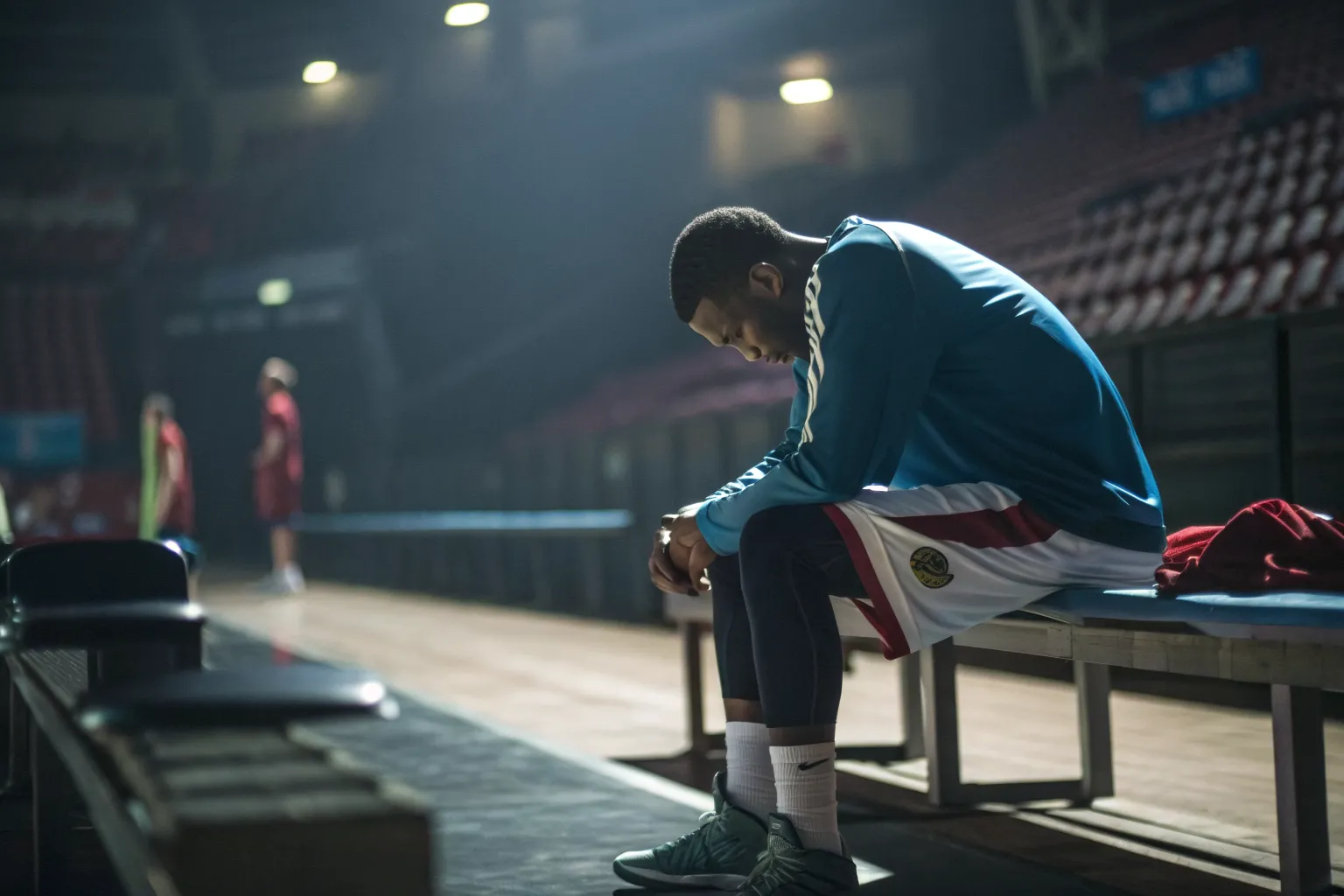
Elite sport is built on pressure, risk, and public judgment. Victory is celebrated loudly, but defeat often becomes a silent burden. While most athletes learn to process losses as part of competition, some experience a much deeper psychological response that mirrors trauma. Post-traumatic stress disorder in athletes after defeat is rarely discussed openly, yet it can shape careers, mental health, and long-term well-being.
This article explores PTSD in athletes, focusing on real symptoms and hidden signs that often go unnoticed. Understanding sports trauma, performance anxiety after loss, and the psychological impact of defeat is essential not only for professionals but also for coaches, families, and sports organizations.
The Psychological Impact of Defeat in Professional Sports
Loss is an inevitable part of sport. However, for elite athletes whose identity, income, and public reputation depend on performance, defeat can trigger an intense psychological shock. In high-stakes competitions such as world championships, Olympic finals, or title fights, a single moment can define years of preparation. When that moment ends in failure, the emotional response can go far beyond disappointment.
Sports psychologists describe this phenomenon as performance-related trauma. Unlike physical injury, which is visible and measurable, psychological trauma after defeat often develops internally. The athlete may replay the decisive mistake repeatedly, feeling shame, guilt, or helplessness. Public criticism on social media amplifies these emotions, increasing stress and reinforcing negative self-perception.
The psychological impact of defeat is particularly severe when the loss includes elements of humiliation, unexpected collapse, referee controversy, or irreversible career consequences. For example, a goalkeeper responsible for a championship-losing mistake may internalize the event as a defining personal failure rather than a situational outcome. Over time, this internalization can evolve into symptoms resembling post-traumatic stress disorder.
Athlete mental health research shows that repeated exposure to high-pressure environments without adequate psychological recovery increases vulnerability to trauma responses. The body’s stress system remains activated long after the competition ends. Cortisol levels may stay elevated, sleep patterns become disrupted, and the athlete’s nervous system remains in a state of hypervigilance.
Importantly, not every painful loss leads to PTSD. Resilience, social support, coaching environment, and personality traits all influence how an athlete processes defeat. However, when the emotional shock remains unresolved and begins to interfere with daily functioning, it may signal a deeper trauma response that requires professional attention.
Clinical PTSD Symptoms in Athletes After Major Losses
Post-traumatic stress disorder in athletes is often misunderstood because it is traditionally associated with war, violence, or life-threatening events. However, trauma is defined by the subjective intensity of distress, not only by objective danger. In high-performance sport, identity collapse, public humiliation, and career threat can be experienced as psychologically overwhelming events.
The core clinical symptoms of PTSD in athletes typically follow recognized diagnostic patterns, although they may manifest in sport-specific ways.
Before examining how these symptoms appear in training and competition, it is useful to review the main categories of PTSD symptoms relevant to sports trauma.
| PTSD Symptom Category | How It Manifests in Athletes | Example in Competitive Sport |
|---|---|---|
| Intrusive memories | Replaying the loss repeatedly | Watching video of mistake obsessively |
| Avoidance behavior | Avoiding similar situations | Refusing penalty kicks after failure |
| Hyperarousal | Heightened anxiety and tension | Excessive nervousness before matches |
| Negative mood changes | Persistent guilt or shame | Belief of “I ruined everything” |
| Sleep disturbances | Insomnia or nightmares | Dreaming about decisive moment |
Intrusive memories are common after traumatic defeat. The athlete may repeatedly visualize the missed shot, failed routine, or final mistake. These memories are not voluntary reflections but intrusive flashbacks that trigger intense emotional reactions.
Avoidance behavior can be subtle. A tennis player who double-faulted on match point may unconsciously change serving strategy or avoid aggressive play in crucial moments. This behavioral shift is not tactical but trauma-driven.
Hyperarousal manifests as chronic tension, irritability, exaggerated startle responses, and difficulty relaxing. The athlete may feel “on edge” even during routine training sessions.
Negative mood and cognitive changes include persistent self-blame, distorted beliefs about personal worth, and loss of motivation. Sleep disturbances often worsen recovery, increasing both mental and physical fatigue.
It is essential to understand that these symptoms must persist and cause significant distress to meet clinical criteria. Temporary sadness or frustration after losing does not equal PTSD. However, when symptoms remain for weeks or months and disrupt performance and daily life, psychological evaluation is strongly recommended.
Hidden Signs of Sports Trauma That Often Go Unnoticed
Not all trauma responses are dramatic. In fact, some of the most dangerous psychological consequences of defeat are hidden beneath disciplined routines and controlled public behavior. Athletes are trained to suppress emotion, push through pain, and “stay strong.” This culture can mask early warning signs of post-traumatic stress.
Certain subtle changes may indicate deeper psychological distress. These hidden signs often appear gradually and are easily misinterpreted as lack of form, motivation issues, or tactical problems.
Some of the most common hidden indicators of PTSD in athletes include:
. Sudden perfectionism and fear of small mistakes.
. Emotional numbness instead of visible sadness.
. Social withdrawal from teammates.
. Increased irritability in training.
. Overtraining as a way to regain control.
. Risk-avoidant play in critical moments.
Sudden perfectionism may reflect an attempt to prevent another traumatic loss. The athlete becomes obsessed with eliminating every possible error, creating unsustainable pressure.
Emotional numbness is particularly deceptive. Rather than expressing disappointment, the athlete appears calm or indifferent. In reality, emotional shutdown can be a protective mechanism against overwhelming distress.
Social withdrawal reduces opportunities for emotional processing. When teammates interpret this behavior as arrogance or disinterest, isolation deepens.
Overtraining is a common coping strategy. By increasing workload, the athlete attempts to regain a sense of control. However, this often leads to burnout and physical injury, compounding the psychological strain.
Risk-avoidant play reveals trauma’s influence on performance. The athlete may avoid decisive actions to prevent repeating past failure. While this may reduce anxiety temporarily, it often limits competitive potential.
Recognizing these subtle patterns is crucial for early intervention. Coaches and sports psychologists should pay attention not only to performance metrics but also to behavioral shifts that signal unresolved trauma.
The Role of Public Pressure and Media Exposure
Modern athletes compete not only against opponents but also under constant public scrutiny. Social media platforms amplify every mistake, turning individual moments into global headlines. For athletes experiencing traumatic defeat, this exposure can intensify psychological damage.
Public criticism activates shame responses. Neuroscience research shows that social rejection and humiliation stimulate brain regions associated with physical pain. When millions of spectators comment on a single error, the emotional weight multiplies.
Media narratives often simplify complex events into personal blame. A defender becomes “the villain,” a striker becomes “the choker.” Such labels may persist for years, reinforcing negative self-identity. The athlete may internalize these narratives, leading to long-term confidence erosion.
Additionally, sponsorship contracts and financial consequences increase pressure. A major loss may threaten endorsements or selection for national teams. This perceived instability magnifies stress, transforming defeat into a perceived existential threat.
Young athletes are particularly vulnerable. Without mature coping mechanisms, they may interpret online hostility as objective truth. In severe cases, cyberbullying contributes to anxiety disorders, depression, and trauma responses.
Addressing PTSD in athletes requires structural change in sports culture. Organizations must prioritize psychological support systems, educate media professionals about responsible reporting, and encourage fans to engage respectfully. Reducing toxic external pressure can significantly lower the risk of trauma escalation.
Recovery Strategies and Psychological Support in Sport
Effective recovery from sports-related trauma requires a comprehensive approach. Ignoring symptoms rarely leads to spontaneous resolution. Early psychological intervention significantly improves outcomes.
Sports psychologists often use evidence-based therapies such as cognitive behavioral therapy (CBT), eye movement desensitization and reprocessing (EMDR), and trauma-focused counseling. These methods help athletes reprocess traumatic memories and reduce emotional intensity.
Breathing techniques and nervous system regulation exercises are essential for managing hyperarousal. Controlled breathing, progressive muscle relaxation, and mindfulness practices reduce physiological stress responses.
Rebuilding confidence must occur gradually. Exposure therapy in sport may involve controlled simulation of high-pressure situations. For example, a basketball player who missed a decisive free throw can practice similar scenarios in a safe environment to retrain emotional responses.
Team culture also plays a decisive role. When coaches respond to defeat with empathy rather than blame, athletes feel safer processing emotions. Open discussions about mental health normalize vulnerability and reduce stigma.
Physical recovery supports psychological healing. Adequate sleep, balanced nutrition, and periodized training stabilize mood and hormonal balance. Chronic fatigue often worsens trauma symptoms, so structured rest is critical.
Family and peer support further reinforce resilience. Athletes who maintain strong off-field identities cope better with setbacks. When self-worth extends beyond results, the psychological impact of defeat decreases.
Recovery is not about eliminating memory of the loss but integrating it into personal growth. Many athletes report post-traumatic growth after working through painful defeats. They develop stronger emotional regulation, improved focus, and deeper self-understanding.
Building Mental Resilience to Prevent Long-Term Trauma
Prevention is as important as treatment. Mental resilience training should be integrated into athletic development from early stages. Just as strength and conditioning programs reduce injury risk, psychological training reduces vulnerability to trauma.
Mental skills coaching teaches athletes to separate identity from performance. When self-worth is not entirely dependent on results, defeat becomes less threatening. Visualization techniques prepare competitors for both victory and loss scenarios, reducing shock intensity.
Goal setting strategies also influence trauma risk. Focusing exclusively on outcome goals increases emotional volatility. Process-oriented goals encourage athletes to evaluate performance based on controllable factors rather than final score alone.
Coaches must create environments where mistakes are analyzed constructively. Fear-based leadership increases trauma susceptibility. Supportive feedback fosters adaptive coping.
Organizations should implement mandatory mental health screenings after major tournaments. Early identification of trauma symptoms allows for timely intervention. Education programs for athletes and staff increase awareness of PTSD symptoms and hidden signs.
Ultimately, resilience does not mean emotional invulnerability. It means possessing tools to process adversity effectively. Defeat can either become a source of chronic psychological distress or a catalyst for growth. The difference often lies in support systems and mental preparation.
Conclusion
PTSD in athletes after defeat is a real and complex issue. While not every loss leads to trauma, certain high-pressure experiences can trigger clinical symptoms and hidden psychological changes. Intrusive memories, avoidance behavior, hyperarousal, and subtle shifts in personality may signal unresolved sports trauma.
Recognizing both visible symptoms and hidden signs is essential for protecting athlete mental health. With proper psychological support, empathetic coaching, and structured resilience training, athletes can recover fully and transform painful defeat into long-term strength.
Sport celebrates courage and persistence. Addressing trauma openly ensures that these values extend beyond performance into genuine well-being.